A Wedding by the Waves
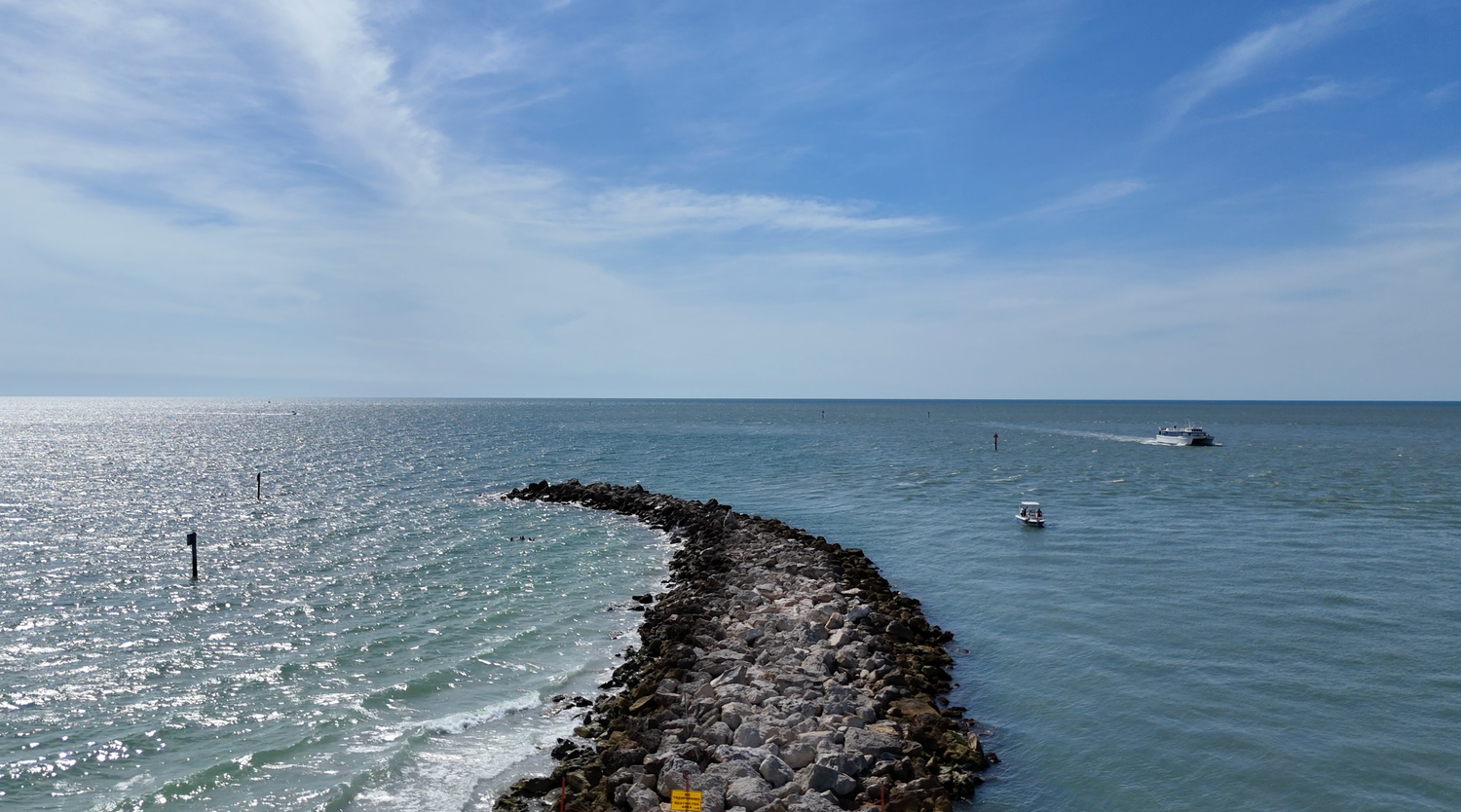
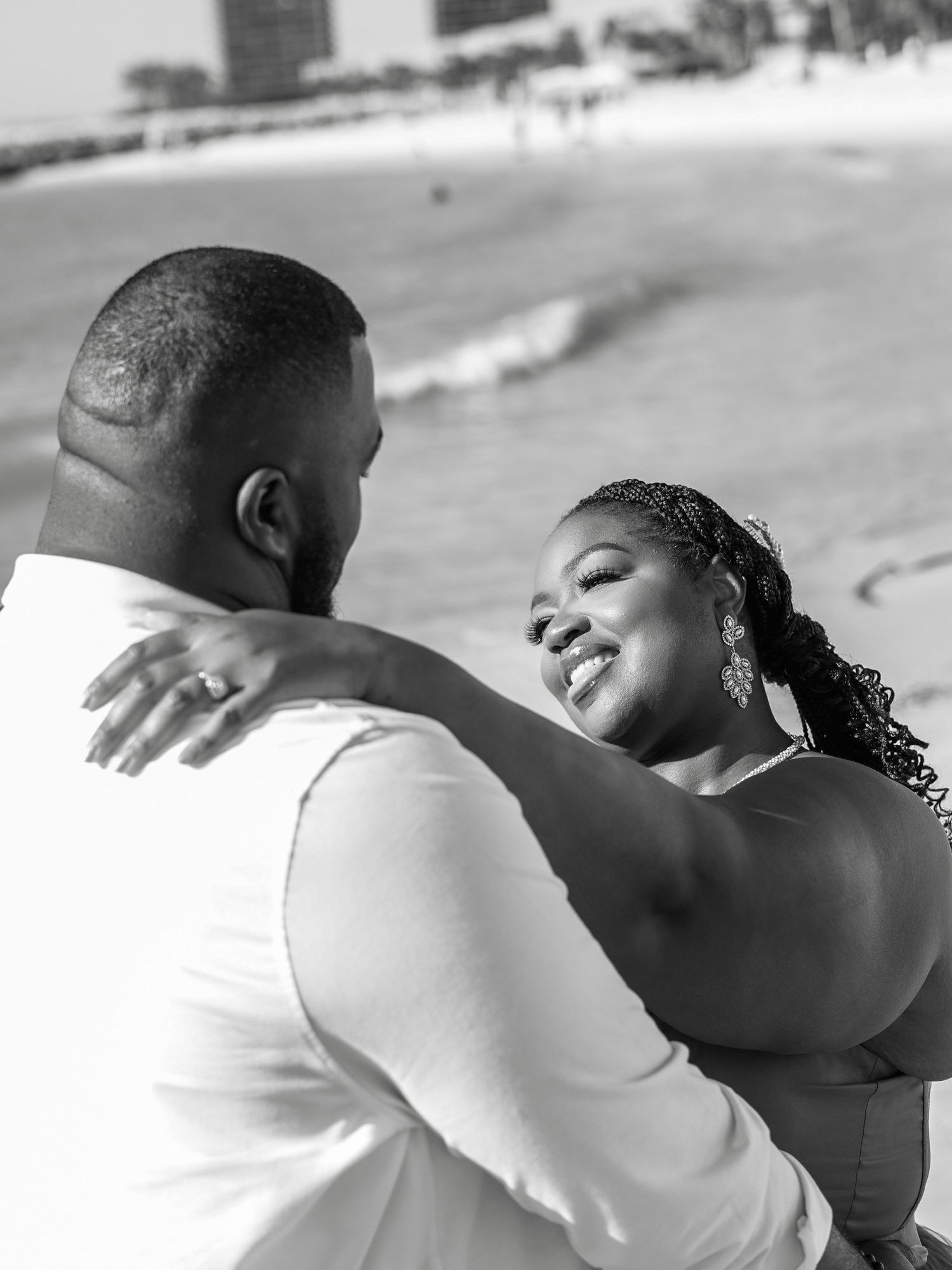
A beach wedding is a dream come true for many couples, offering a stunning backdrop of waves, golden sand, and breathtaking sunsets. However, planning a beach wedding requires careful consideration to ensure that your special day goes smoothly. Whether you’re saying "I do" on the pristine shores of St Pete or another coastal paradise, here are key things to keep in mind when planning your beach wedding.
1. Choosing the Right Beach Location
Not all beaches are the same, and selecting the perfect location is crucial. Consider accessibility, privacy, and the natural scenery when picking a spot. The gulf coast offers an array of beautiful beachfront locations, from Clearwater Beach to St. Pete Beach, each with its own charm. If you prefer a secluded ceremony, a private beach might be a better option than a crowded public beach.
2. Obtaining Permits and Legal Requirements
Some beaches require permits for weddings, especially if you’re planning to have a large gathering. Contact local authorities to ensure you comply with regulations. Gulf coast beaches may have specific rules regarding music, decorations, and the number of guests allowed, so it’s essential to check in advance.
3. Weather Considerations
Beach weddings are at the mercy of Mother Nature, making it vital to check seasonal weather patterns. While Tampa enjoys warm temperatures year-round, summer weddings may experience high humidity and occasional storms. Have a backup plan in place, such as a nearby indoor venue or a sturdy tent, to avoid disruptions.
4. TIMING YOUR CEREMONY
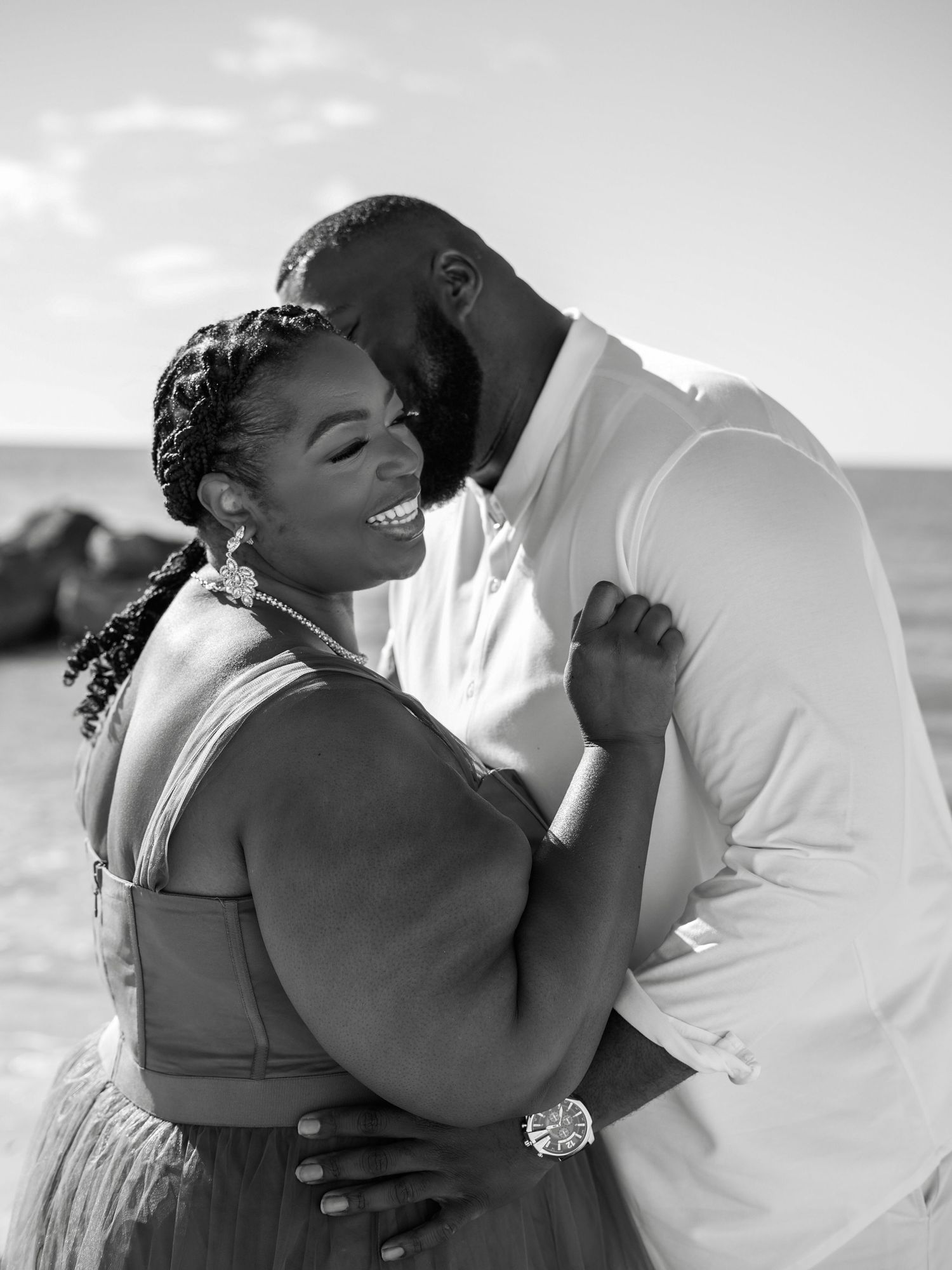
The time of day plays a significant role in a beach wedding’s success. Midday ceremonies can be uncomfortably hot and bright, making sunset the ideal time for a romantic and visually stunning atmosphere. The golden hour, just before sunset, provides the best lighting for your wedding photographer to capture the emotions and beauty of your special day.
5. DRESSING FOR THE BEACH ENVIRONMENT
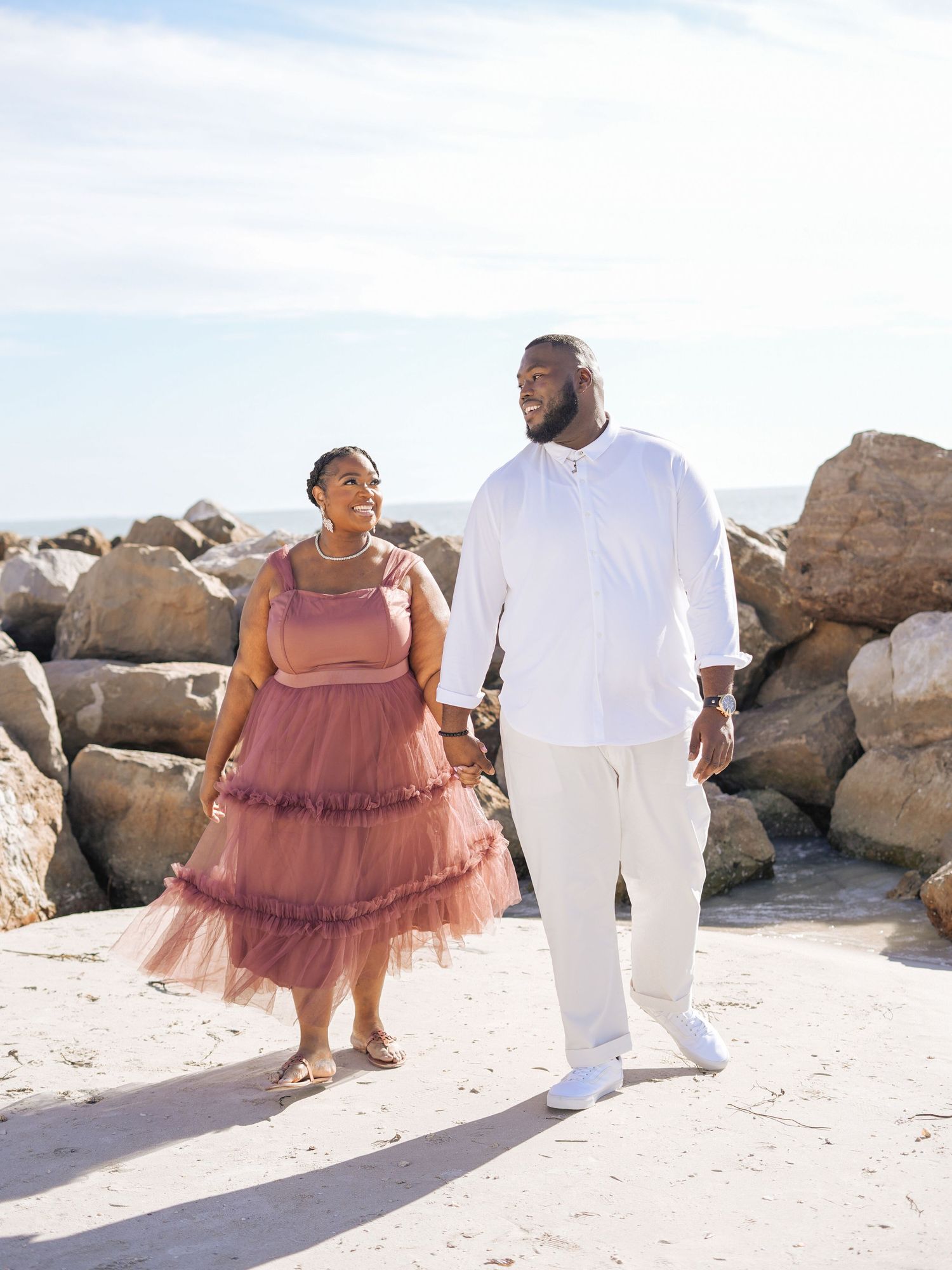
The beach setting influences wedding attire choices. Brides should consider lightweight, breathable fabrics and avoid heavy gowns with long trains that can drag through the sand. Grooms and wedding parties might opt for linen suits or casual beachwear. Footwear is another factor—many couples choose to go barefoot or wear sandals to navigate the sand comfortably.
6. HIRING THE RIGHT WEDDING PHOTOGRAPHER
A skilled wedding photographer is essential for capturing the emotions and beauty of your beach wedding. The natural light and ocean backdrop offer stunning photo opportunities, but beach lighting can be tricky. Look for a photographer with experience in beach weddings, particularly in Tampa, as they’ll know how to handle varying light conditions and capture your special moments perfectly.
7. SOUND AND AUDIO CHALLENGES
The soothing sounds of the waves can be romantic, but they can also make it challenging for guests to hear your vows. Consider using a high-quality sound system or clip-on microphones to ensure your voices carry over the natural beach noise. Many Tampa wedding venues offer sound solutions for outdoor ceremonies.
8. GUEST COMFORT AND SEATING
Providing comfortable seating for guests is essential. Traditional chairs may sink into the sand, so opt for sturdy options like wooden benches or rented beach chairs. Offer guests essentials like sunglasses, sunscreen, and handheld fans to keep them comfortable throughout the ceremony.
9. BEACH-FRIENDLY DECORATIONS
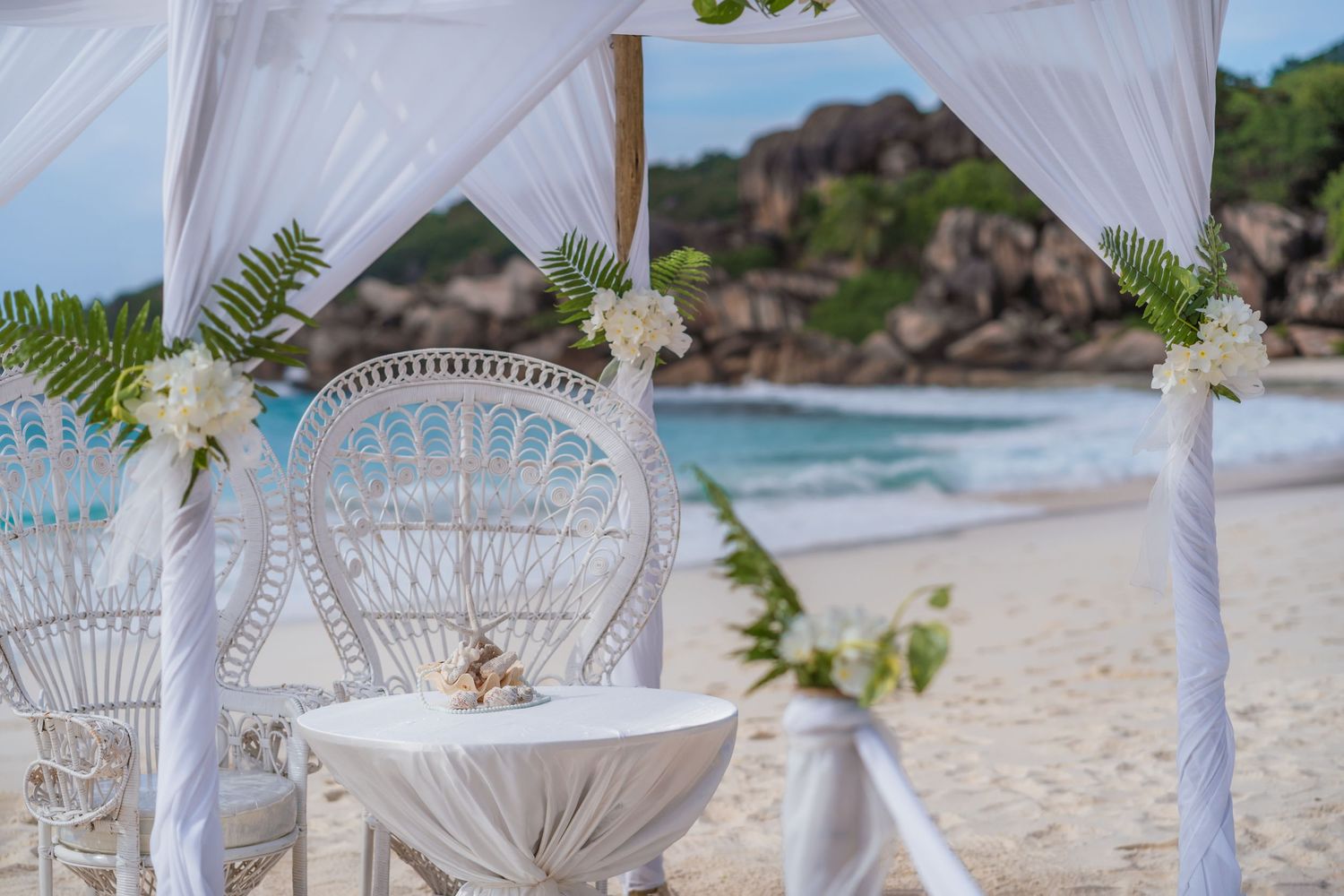
The beach setting itself is naturally beautiful, so decorations should enhance rather than overpower the scenery. Use wind-resistant decor, such as anchored floral arrangements, weighted aisle runners, and sturdy arches. Shells, driftwood, and tropical flowers complement the beach theme perfectly.
10. FOOD AND BEVERAGE CONSIDERATIONS
Choosing a menu that suits the beach environment is crucial. Light, refreshing dishes work best in warm weather, and seafood can add a coastal touch. Beverages should include plenty of water to keep guests hydrated. If serving alcohol, ensure there are shaded areas for guests to cool off.
11. BEACH WEDDING RECEPTION OPTIONS
Decide whether you want your reception to take place on the beach or at a nearby indoor venue. Beach receptions can be magical but require additional logistics, such as securing food permits and providing ample lighting. Many Tampa beach resorts offer both beachfront ceremonies and elegant indoor receptions as a seamless package.
12. TIDE AND BEACH CONDITIONS
Understanding the tide schedule is critical for planning a beach wedding. High tide can reduce available space and potentially wash away decorations. Check the local tide charts to ensure your ceremony time aligns with favorable beach conditions.
13. ECO-FRIENDLY CONSIDERATIONS
Protecting the natural beauty of the beach is important. Use biodegradable confetti, avoid plastic decorations, and ensure guests dispose of waste properly. Many Florida beaches have environmental guidelines in place to preserve marine life and the coastal ecosystem.
14. ACCOMMODATION FOR GUESTS
If you have guests traveling from out of town, consider booking hotel blocks at beachfront resorts or accommodations near the venue. Florida offers a variety of luxury resorts and budget-friendly hotels that provide easy beach access and stunning views.
15. BACKUP PLAN FOR UNEXPECTED CHANGES
No matter how well you plan, unexpected challenges can arise. Having a backup venue or an alternate plan in case of bad weather, vendor cancellations, or other unforeseen issues will ensure your wedding day remains stress-free.
FINAL THOUGHTS
A beach wedding in Florida offers an unforgettable experience filled with romance, natural beauty, and cherished emotions. By carefully considering location, weather, guest comfort, and the expertise of a professional wedding photographer, you can create the wedding of your dreams. With thoughtful planning and attention to detail, your beach wedding will be a magical and seamless celebration of love.